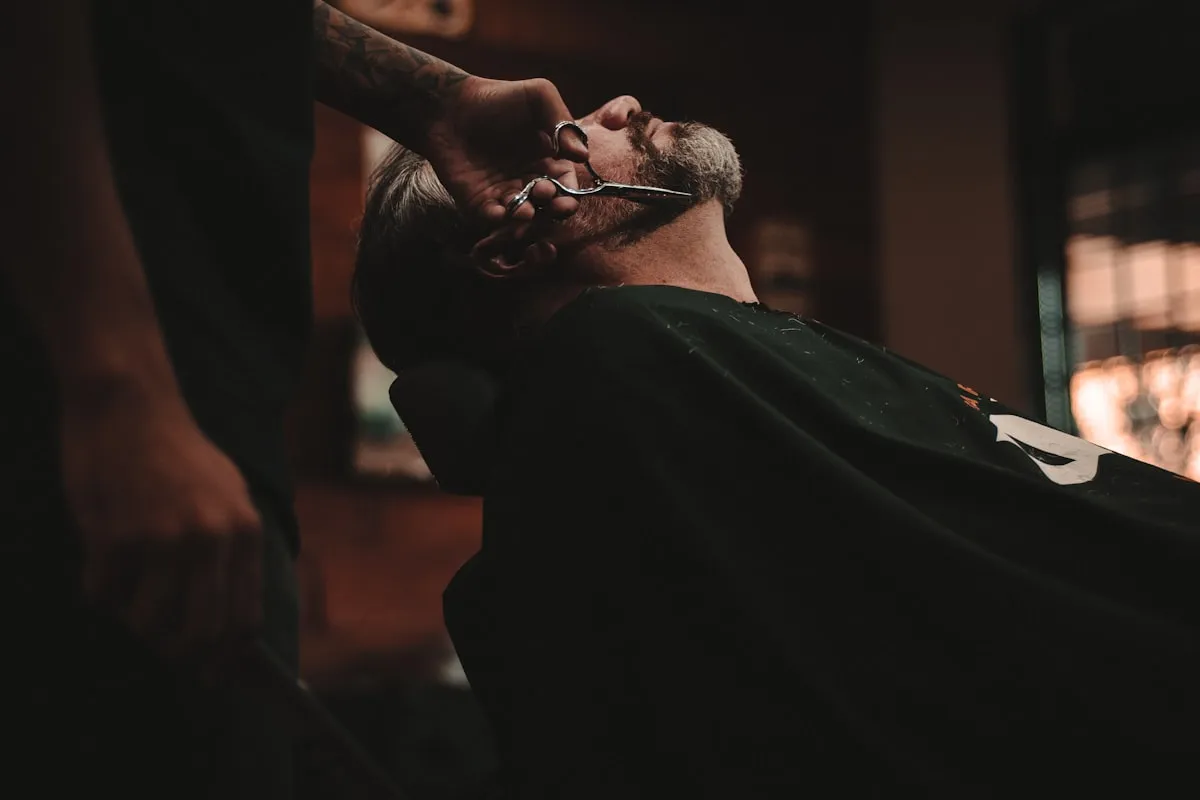
The Best Haircuts for Thinning Hair in 2024
The right haircut can make thinning hair look significantly better. Here are the cuts that actually work — and the ones that make it worse.
The right haircut is the most immediately impactful thing you can do for thinning hair. It costs a fraction of any treatment, works instantly, and makes a real visible difference. Here’s what actually works.
Best Haircuts for Thinning Hair: The Core Principle
Work With It, Not Against It
The most common mistake men make is trying to hide thinning hair with length. Long hair on top to cover a bald spot, a comb-over, growing it out to create volume — these strategies almost always make the situation more obvious, not less.
The counterintuitive truth: shorter hair typically looks better with thinning. When all your hair is a similar length, the contrast between thicker and thinner areas is minimised.
This principle applies whether you’re dealing with early recession, crown thinning, or diffuse hair loss across the entire scalp. The underlying strategy remains the same: use haircut design and styling technique to work with your existing hair density, not fight against it.
Best Haircuts for Thinning Hair & Receding Hairlines
The Buzz Cut: Maximum Simplicity & Impact
The cleanest solution. Takes the contrast between thinning areas and thicker areas completely off the table. Works best for men with a good head shape, but honestly most men look fine with a buzz cut — you’ve just been told otherwise.
Why it works: A uniform length eliminates the visual evidence of thinning. Hair doesn’t lay flat or reveal scalp the way longer thin hair does. There’s no volume to fake — what you see is intentional minimalism.
Works for: All types of thinning. Especially good for diffuse thinning and those near the point of embracing a shaved head. Also works well if you have active hair loss treatments in progress (finasteride or minoxidil) and want a low-maintenance look while medication takes effect.
Guard length:
- 1-2 for a very tight buzz (classic military cut)
- 2-3 for a true buzz cut with some texture
- 3-4 for a slightly softer look that works for more face shapes
Pro tip: A zero or 0.5 fade on the sides with a #2 or #3 on top creates definition and complements the cut better than an all-over uniform length.
The Short Textured Crop: Best for Moderate Thinning
Short on the sides, slightly longer on top with texture. The texture is key — it creates the illusion of density by breaking up flat, thin hair into something that looks fuller. Think piecy, separated hair rather than one mass of flat strands.
Why it works: Texture naturally creates shadow and depth. Thin hair lying flat looks obviously thin. The same hair with intentional texture catches light differently and reads as thicker. It’s a visual trick, but it works.
Ask your barber for: “Short back and sides with a fade, textured crop on top, scissor-cut not clippered. I want some separation and texture, not a blunt line.”
Works for:
- Moderate thinning across the crown or top
- Early-stage recession (Norwood 2–3)
- Crown thinning with intact hairline
- Men who don’t want to commit to a full buzz
Styling: Apply a matte clay or texture powder to damp hair, work it through with your fingers for separation, then blow-dry. Takes 2–3 minutes. The product is essential — it creates and holds the texture that makes this cut work.
Maintenance: This cut needs a trim every 3–4 weeks to maintain the shape and prevent it from collapsing into a shapeless mass.
The High Fade with Short Top: Best for Receding Hairlines
A skin (zero fade) or high fade on the sides with a short, textured top. The fade draws the eye to the sides and creates a structured shape rather than letting thin hair hang loosely on top.
Why it works:
- Fades create visual contrast and structure, which men find attractive
- Shorter hair on top with a bare/faded side doesn’t call attention to hair loss — it calls attention to the cut
- The sculpted lines are intentional, making any thinning seem less accidental
- Works well with beard growth, which balances a receding hairline
Works for:
- Receding hairlines (Norwood 2–4)
- Temple recession
- Diffuse thinning with some recession
- Men who like a sharp, intentional look
Ask your barber: “High skin fade on the sides, leave about a half-inch on top for texture. Keep the line clean and sharp.”
The French Crop: Modern Alternative for Recession
Heavier on the fringe (bangs area) with shorter, faded sides. The fringe is textured and brought forward rather than swept back, creating the illusion of forward hairline coverage.
Why it works:
- Brings hair toward the face and forward hairline, which receding men instinctively want
- The texture and movement make thin hair look thicker
- The fringe draws attention to the front while de-emphasizing crown/top thinning
- Works particularly well if you have some hair remaining around the hairline
Works for:
- Receding temples and M-shaped recession
- Norwood 2–3 hairlines
- Men who want a slightly longer top without it looking like they’re “covering up”
- Works well with subtle blonde highlights if you’re willing to commit to color
Styling: Dry the fringe forward and slightly to the side. Use a light-hold product or texture spray. The goal is a slightly tousled, lived-in look — not a polished comb-forward.
Cuts to Avoid
The comb-over — Still happening in 2024. Everyone can see the scalp. It just draws more attention to it.
Long on top to cover — Heavy, flat hair pressed down against your scalp looks thinner, not thicker. Avoid.
The side part with thinning on top — A deep side part with long hair swept to one side accentuates exactly what you’re trying to hide.
Anything that requires extensive styling — The more effort, the more obviously it looks like effort. Keep it simple.
Styling Products That Actually Help (And Which to Avoid)
The right product can make a meaningful difference, especially on textured cuts where the cut alone isn’t doing all the work.
Matte clay or texture paste — Creates texture and separation without looking wet or flat. Products like American Crew Forming Cream, Baxter of California Clay Pomade, or Hanz de Fuko Quicksand are good options. Apply sparingly to dry or slightly damp hair and work through with your fingers. Good for short textured cuts and French crops.
Volumising spray — Apply to roots before blow-drying to add lift and grip. Works well with slightly longer short styles. Gives hair grit that styling products can hold onto. Tresemmé or generic volumising spray works fine — the cheap stuff is honestly as good as premium brands here.
Dry shampoo — Adds grit and texture while absorbing excess oil, which weighs hair down and makes thinning more obvious. Also extends the time between washes, which is good for scalp health. Use before blow-drying for best texture.
Lightweight sea salt spray — Creates a natural, textured look without heavy product feel. Works particularly well if you’re going for the “tousled” French crop vibe. Bumble and bumble is premium but pricier; Cantu or Aunt Jackie’s are budget options.
What to avoid:
- Heavy pomades or grease — flattens hair and makes scalp show through
- Thick waxes — same problem
- Anything that makes hair shiny or slicked — draws attention to thinning
- Gel in general — looks wet and heavy, especially on thin hair
- Brush-back or slicked styles — the worst look for thinning hair
Pro tip: Less is always more. Most men overapply product. Use about the size of a pea, warm it between your hands, then apply. Build gradually if you need more texture.
Haircut Strategy by Stage of Hair Loss
Your choice of cut should be informed by where you are on the Norwood Scale. Here’s the quick breakdown:
Norwood 1–2 (Minimal to slight recession): You have options. Any of the cuts above will work. You can get away with slightly longer hair on top.
Norwood 3–4 (Moderate recession or crown thinning): Start moving toward shorter styles. The short textured crop or high fade are your sweet spots. Avoid anything longer than 1 inch on top.
Norwood 5+ (Advanced hair loss): Buzz cut or embrace baldness. There’s no haircut that works here — the hair simply isn’t there. But shaving or a very tight buzz (1/4 inch or less) often looks sharp and intentional rather than like you’re trying to hide something.
This isn’t just aesthetic advice — it’s practical. Fighting against your current hair loss stage with a cut designed for a different stage always looks worse than accepting where you are and optimising for it.
Should You Combine Haircuts With Active Treatment?
If you’re using minoxidil or finasteride, the timeline matters. These medications take 4–6 months minimum to show results, and a full year or more to see the best effect. During that time, a good haircut doesn’t just look better — it keeps you sane while you wait for treatment to work.
A tight buzz or short textured crop during your first 6 months on finasteride or minoxidil is a smart move. It maintains your appearance while the medication does its work. Many men find that once they see even early results, they can transition to a slightly longer style if they prefer.
If you’re considering hair treatment options or scalp micropigmentation, a good cut works well during the recovery period and is essential beforehand (shaved head makes any surgical approach easier).
How to Talk to Your Barber About Thinning Hair
Tell your barber the truth. “I’ve got thinning at the crown” or “My hairline is receding” is useful information. A good barber works with this regularly and will make better decisions if you’re honest.
A good barber will also tell you what suits your face shape and head, not just follow your instruction. Let them. The best barbers have seen thousands of scalps and can tell you quickly what will and won’t work for your specific hair loss pattern.
What to tell your barber:
- “I’m losing hair at [crown/temples/overall]”
- “I want a style that looks intentional, not like I’m covering up”
- “How often should I come in to maintain this cut?”
- “What’s the best product to use with this style?”
What not to do:
- Don’t ask for a specific cut you saw on someone with a full head of hair — it won’t translate
- Don’t expect one barber visit to fix your hair; consistency and the right home routine matter
- Don’t leave without asking for specific guard lengths (e.g., “1.5 on sides, 2.5 on top”)
Finding the Right Barber for Thinning Hair
Not all barbers are created equal. You want someone who:
- Has specific experience with thinning hair and receding hairlines
- Can explain why they’re recommending a particular cut
- Offers a range of products and can advise which works best for thin hair
- Books appointments in advance (good barbers are busy because they’re good)
- Is willing to trim every 3–4 weeks if needed
Ask for barber recommendations on Reddit communities like r/malehairadvice if you’re stuck locally. Bring a photo of someone with similar hair loss if you have one — visual communication beats verbal description.
Haircuts for Thinning Hair: Combining Cuts With Treatment
If you’re on finasteride (Propecia) or minoxidil (Rogaine) to treat hair loss, the right haircut becomes even more important during the initial treatment phase. Medications like finasteride take 6–12 months to show real results, and a good cut keeps you looking sharp while the medication works.
Timeline strategy for thinning hair treatment:
- Months 0–3 (starting treatment): Go with a buzz cut or very short textured crop. This removes all styling variables and lets you see if the medication is stabilizing your hair loss.
- Months 3–6: If you’re holding steady or seeing early regrowth, you can transition to a slightly longer textured crop.
- Months 6+: After 6 months on finasteride, many men see enough improvement to wear styles they couldn’t before.
The combination of a good haircut + medication is more powerful than either alone. The cut keeps you looking good immediately; the medication addresses the underlying problem.
For more on medication options, check out our articles on finasteride vs minoxidil and the complete minoxidil guide.
Thinning Hair Styles: The Psychology of Looking Good While Losing Hair
There’s a psychological benefit to getting the haircut right that shouldn’t be underestimated. Men with thinning hair often avoid looking in the mirror or feel self-conscious about their appearance. A sharp haircut that actually works can flip that script.
When your haircut looks intentional and clean, you look healthy, confident, and in control. People perceive confidence as attractiveness — and a well-executed short cut on thinning hair conveys exactly that: you know what works and you’re executing it.
This matters more than you’d think. Getting the fundamentals right (haircut, basic grooming) often gives men the confidence to address other areas of their life.
The Final Word on Best Haircuts for Thinning Hair
The best haircut for thinning hair is one that creates structure, minimises contrast between thick and thin areas, and doesn’t require you to style it carefully every day to make it work. In most cases, that means shorter on top than you’re currently wearing it.
Try a shorter textured cut. Most men are surprised how much better it looks. And if you’re concerned about ongoing hair loss, pair the haircut with a conversation with a dermatologist or online hair loss clinic about whether treatment is right for you.
FAQ: Best Haircuts for Thinning Hair & Receding Hairlines
{
  "@context": "https://schema.org",
  "@type": "FAQPage",
  "mainEntity": [
    {
      "@type": "Question",
      "name": "What is the best haircut for thinning hair?",
      "acceptedAnswer": {
        "@type": "Answer",
        "text": "The best haircut for thinning hair is typically a short textured crop, high fade with short top, or buzz cut. These styles minimize the contrast between thick and thin areas. Avoid longer hair on top, comb-overs, or side parts, which draw attention to hair loss. The buzz cut is the most low-maintenance option; the short textured crop offers a balance of style and simplicity. Your choice depends on your Norwood scale stage and personal preference."
      }
    },
    {
      "@type": "Question",
      "name": "Should I use hair product on thinning hair?",
      "acceptedAnswer": {
        "@type": "Answer",
        "text": "Yes, but use light products strategically. Matte clay or texture paste creates separation and depth on short cuts, making hair look fuller. Volumising spray before blow-drying adds grip and texture. Avoid heavy pomades, gel, and anything shiny—these flatten thin hair and make it look worse. Less product is always better; use about the size of a pea. The product exists to enhance the cut, not replace it."
      }
    },
    {
      "@type": "Question",
      "name": "Does hair length affect how thin hair looks?",
      "acceptedAnswer": {
        "@type": "Answer",
        "text": "Absolutely. Longer hair on thinning areas makes the contrast more obvious—you can see the scalp and flat sections more easily. Shorter, uniform hair distributes visual density more evenly. Hair that's too long also lies flat, which emphasizes thinning. Generally, keeping hair to 1 inch or less on top works best for noticeable hair loss. The shorter you go, the less obvious any thinning becomes."
      }
    },
    {
      "@type": "Question",
      "name": "Is a buzz cut right for me if I'm just starting to thin?",
      "acceptedAnswer": {
        "@type": "Answer",
        "text": "A buzz cut works at any stage of hair loss, but at early stages (Norwood 1–2), you have more options. If you prefer slightly longer styles, the short textured crop or French crop are good alternatives. However, if you're not sure what will look best, a buzz cut is always a safe choice—it's simple, looks intentional, and frames most face shapes well. Many men find it more attractive than they expected."
      }
    },
    {
      "@type": "Question",
      "name": "How often should I get a haircut for thinning hair?",
      "acceptedAnswer": {
        "@type": "Answer",
        "text": "Every 3–4 weeks is ideal. Shorter styles on thinning hair lose shape quickly as they grow out. Regular trims maintain the clean lines and texture that make the cut work. If your barber can't fit you in monthly, find one who can—this is a small but important investment in how you look. Consistency matters more than occasional perfect cuts."
      }
    },
    {
      "@type": "Question",
      "name": "Should I combine a good haircut with hair loss treatment?",
      "acceptedAnswer": {
        "@type": "Answer",
        "text": "Yes. A good haircut keeps you looking sharp immediately, while medication like finasteride or minoxidil addresses the underlying problem over 6–12 months. Together they're more effective than either alone. Start with a shorter cut when beginning treatment, then gradually transition to slightly longer styles as the medication takes effect and stabilizes your hair loss."
      }
    }
  ]
}
This article is based on published research and clinical evidence. It is not medical advice. Always consult a qualified healthcare professional before starting any treatment. Learn about our editorial standards.